What does residential air duct cleaning cover?
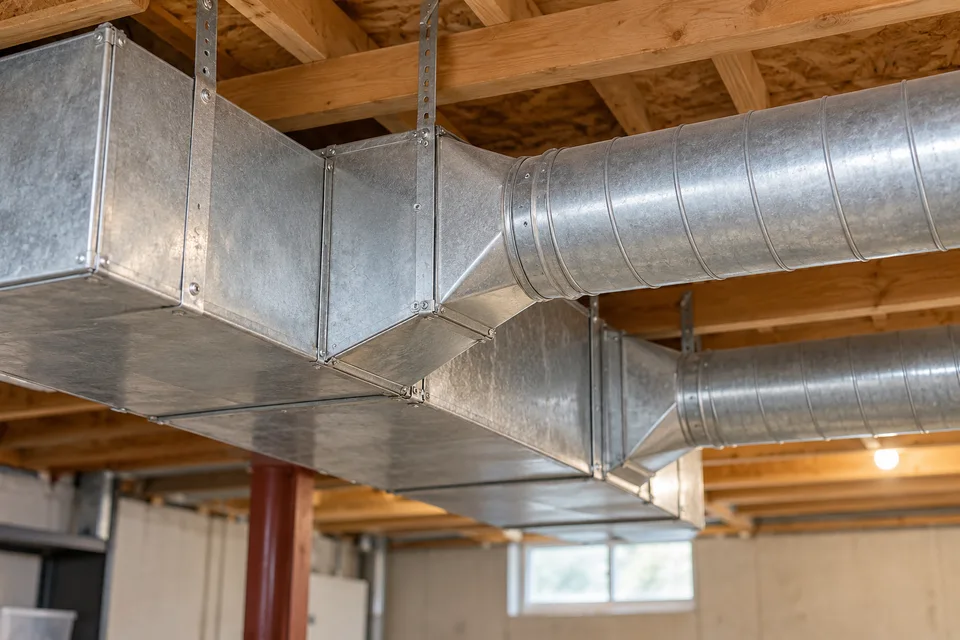
The scope considers the whole HVAC air-distribution system where accessible: supply and return ducts, registers, relevant HVAC components, protection of the home, contaminant collection and closure of any access openings. It is not only visible vent covers.
Material and condition affect the method. A written estimate should list included components, exclusions and how additional work is approved.
When should a home duct system be assessed?
Dust on a return grille alone does not establish that the whole system needs cleaning.
- Substantial contamination in accessible ductwork or HVAC components.
- Pest activity or excessive deposits inside the system.
- Construction debris after renovation work.
- Suspected moisture or mold-like material that needs specialist assessment.
How is the cleaning scope decided?
NADCA describes loosening debris and collecting it under negative pressure. The method must suit the duct material and condition, with a clear plan to protect your home.
- Assessment of the system, material and access.
- Containment and protection of the home where suitable.
- Agitation and negative-pressure collection for loosened contaminants.
- Use of existing openings where possible, with proper closure of any service openings.
- Visual completion check of cleaned components and reinstalled access points.
What should you confirm after duct cleaning?
Confirm a visual completion check, closed access points, protected home surfaces and collected debris. Cleaning does not guarantee zero dust, health cures or energy savings.
Ask about any unresolved condition, such as moisture, damaged insulation or a restricted component, and whether another specialist needs to assess it.