What apartment dryer vent cleaning involves
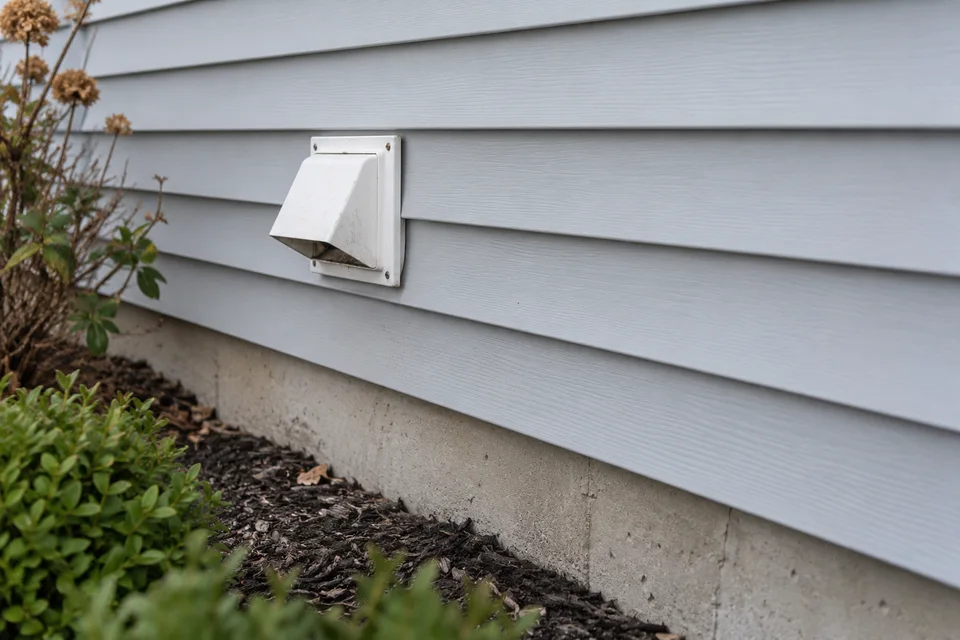
Identify each dryer exhaust route and its outside termination. Some routes may pass through shared chases; the actual building layout determines access. Lint accumulation, crushed venting and blocked or damaged terminations are conditions to assess.
This is separate from HVAC air duct cleaning. A property manager can ask for both systems to be itemized in one estimate if both need attention.
A cleaning visit alone is not a code-compliance inspection or a guarantee against fire. The estimate should describe the routes included and how their condition will be recorded.
How unit access and authority are handled
- Identify who can authorize work for the property and for each unit.
- Confirm how residents will be notified before access is needed.
- List the number of units and which routes or terminations are included.
- Note locked closets, pets, tenant schedules, or parking that could affect access.
- Agree on a daily start and stop process that respects quiet hours and building rules.
Records to gather for a multiunit project
- Building address and the name of the property contact.
- Unit count and the dryer exhaust route type in each building section.
- Known access problems, such as roof hatches, shared chases, or sealed terminations.
- Prior cleaning dates, repairs, or complaints about drying times.
- Preferred scheduling windows and any resident notice requirements.
- A written list of inclusions, exclusions, and how extra work is approved.
What a property manager should not assume
Do not assume that a dryer vent cleaning visit is a code inspection or compliance certificate. It is a cleaning and condition report for the routes included in the estimate.
Ask for written inclusions and exclusions, how additional work is approved, and what records will be left after the visit. Vague promises about clearance or fixed outcomes are not a substitute for a clear work plan.